
Free aquarium calculator
Aquarium plant finder
Answer a few questions about your light, CO₂, water and tank mates and see which aquarium plants will thrive in your tank, which will grow with a catch, and which won't work.
What will grow in my tank?
Low: about 20-30 PAR at the substrate, a shaded spot or a weak lamp. Medium: about 30-50 PAR, a good planted-tank light. High: 50+ PAR, a strong light, usually paired with CO₂.
Pressurised CO₂ injection, dosed on a timer. Liquid carbon or DIY yeast CO₂ count as none here.
Soft: under about 6 °dGH. Medium: about 6-12 °dGH. Hard: above about 12 °dGH. Your water supplier's report or a GH test kit tells you.
Root-feeding plants need a nutrient-rich substrate or root tabs; plain gravel and sand hold no nutrients on their own.
A small tank, roughly the size of a 30x30x30 cm cube. Tall or spreading plants outgrow it fast.
Only show plants rated easy.
Results
The link and the PDF keep your numbers, so you can come back or share them.
Where each plant goes
Tap a part of the tank to see only the plants for that spot. Tap it again to see them all.
Foreground
73 plants
Midground
150 plants
Background
147 plants
On wood or rock
45 plants
Floating
44 plants
273 plants will thrive


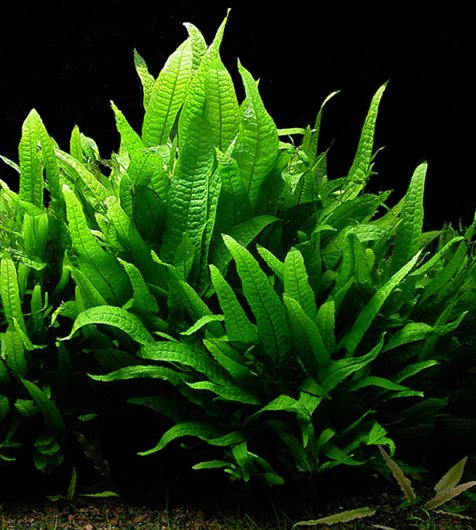


48 will grow with a catch
 Aponogeton crispusAponogeton crispusGrows with a catchEasyHungry feeder
- A bit cool here; does best at 25-32 °C.
 Cardamine lyrataCardamine lyrataGrows with a catchEasyNano-friendlyModerate feeder
- A bit warm here; does best at 18-23 °C.Est.
 New Zealand pigmyweedCrassula helmsiiGrows with a catchEasyNano-friendlyModerate feeder
- A bit warm here; does best at 18-23 °C.Est.
 SubwassertangLomariopsis cf. lineataGrows with a catchEasyNano-friendlyLight feeder
- A bit warm here; does best at 20-23 °C.
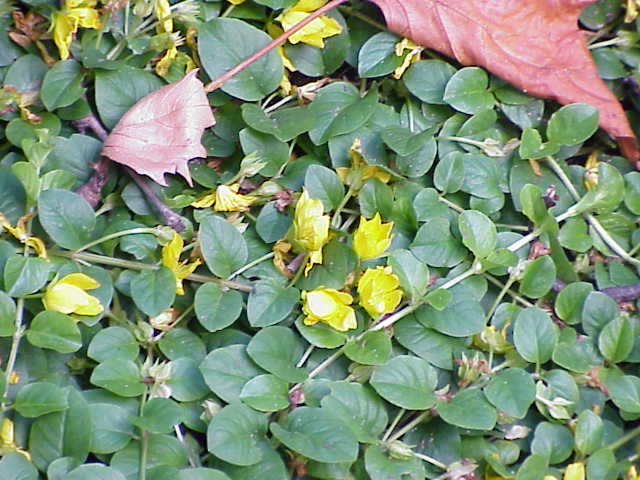 Creeping jennyLysimachia nummulariaGrows with a catchEasyModerate feeder
- A bit warm here; does best at 18-20 °C.Est.
 Limnophila indicaLimnophila indicaGrows with a catchEasyModerate feeder
- A bit cool here; does best at 25-28 °C.Est.
 Sivadasan's water trumpetCryptocoryne sivadasaniiGrows with a catchEasyModerate feeder
- No temperature range on record.
- Najas horridaNajas horridaGrows with a catchEasyModerate feeder
- No temperature range on record.
- Red waterlilyNymphaea rubraGrows with a catchEasyHungry feeder
- No temperature range on record.
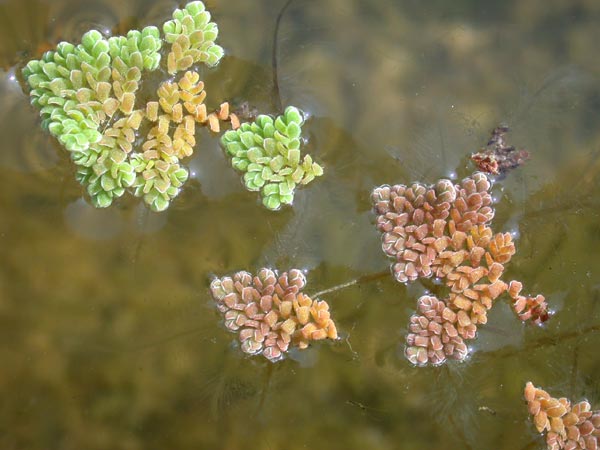 Mosquito fernAzolla pinnataGrows with a catchEasy
- Grows slowly and stretches for the light here.
 Fontinalis hypnoidesFontinalis hypnoidesGrows with a catchEasyNano-friendlyLight feeder
- A bit warm here; does best at 10-22 °C.
- Schismatoglottis roseospathaSchismatoglottis roseospathaGrows with a catchEasyNano-friendlyLight feeder
- No temperature range on record.
 Water fernAzolla filiculoidesGrows with a catchEasy
- Grows slowly and stretches for the light here.
 Willow mossFontinalis antipyreticaGrows with a catchEasyNano-friendlyLight feeder
- A bit warm here; does best at 10-22 °C.
 Stringy mossLeptodictyum ripariumGrows with a catchEasyNano-friendlyLight feeder
- A bit warm here; does best at 10-22 °C.
 Limnophila heterophyllaLimnophila heterophyllaGrows with a catchEasyModerate feeder
- A bit cool here; does best at 25-28 °C.Est.
 Giant duckweedSpirodela polyrhizaGrows with a catchEasy
- A bit cool here; does best at 28-30 °C.Est.
- Mosquito fernAzolla cristataGrows with a catchEasyLight feeder
- A bit cool here; does best at 25-30 °C.
- Star duckweedLemna trisulcaGrows with a catchEasyLight feeder
- A bit warm here; does best at 10-22 °C.Est.
- Claspingleaf pondweedPotamogeton perfoliatusGrows with a catchEasyHungry feeder
- A bit warm here; does best at 15-22 °C.Est.
- Vallisneria 'Contortion'Vallisneria 'Contortion'Grows with a catchEasy
- No temperature range on record.
 Japanese rushAcorus gramineusGrows with a catchLight feeder
- A bit warm here; does best at 18-23 °C.Est.
 Parrot featherMyriophyllum aquaticumGrows with a catchHungry feeder
- Grows slowly and stretches for the light here.
 ShoreweedLittorella unifloraGrows with a catchNano-friendlyModerate feeder
- May struggle in harder water.
65 won't work

 Lucky bambooDracaena sanderianaWon't workEasy
- Not a true water plant; rots underwater.

 Purple waffleHemigraphis alternataWon't workEasy
- Not a true water plant; rots underwater.
 Mauve strictaHemigraphis repandaWon't workEasy
- Not a true water plant; rots underwater.
 Peace lilySpathiphyllum wallisiiWon't workEasy
- Not a true water plant; rots underwater.
 Syngonium podophyllumSyngonium podophyllumWon't workEasy
- Not a true water plant; rots underwater.
 Elatine triandraElatine triandraWon't workNano-friendlyHungry feeder
- Needs CO₂ injection.
 Hydrocotyle sibthorpioidesHydrocotyle sibthorpioidesWon't workNano-friendlyHungry feeder
- Needs CO₂ injection.

- Ranalisma rostratumRanalisma rostratumWon't workModerate feeder
- Needs CO₂ injection.Est.
 Pogostemon yatabeanusPogostemon yatabeanusWon't workModerate feeder
- Needs CO₂ injection.

- Ludwigia sphaerocarpaLudwigia sphaerocarpaWon't workHungry feeder
- Needs CO₂ injection.
- Myriophyllum mezianumMyriophyllum mezianumWon't workHungry feeder
- Needs CO₂ injection.


How this calculator works
Answer a few questions about your light, CO₂, water, substrate and tank size, and pick any plant-eating tank mates you keep. The finder checks every plant in our wiki against your answers and sorts them into three groups.
What each verdict means
Thrives: nothing on record rules it out or holds it back at your settings. Grows with a catch: it will survive but the result flags one or more things to expect or work around, such as slower growth or a need for root tabs. Won't work: at least one hard limit is against it, such as a temperature it can't survive or a tank mate that eats it.
How the matching works
Each plant record carries its own temperature range, light and CO₂ needs, water hardness tolerance, maximum height and more. The finder compares those against your answers using fixed rules: a plant outside its recorded temperature range, needing CO₂ you don't have, or facing a tank mate that eats it is marked won't work; a plant that copes but isn't at its best, for example a little outside its ideal temperature or wanting root tabs in plain gravel, is marked grows with a catch.
Tank zones
Plants are also grouped by where they're usually placed: foreground, midground, background, on wood or rock, and floating. Tapping a zone in the tank diagram filters the results to plants suited to that spot.
Limits
This only uses facts recorded in our own wiki, one curated record per species; a plant not in our wiki can't be checked. Figures marked "est." are estimates or come from a single source rather than a confirmed range. This checks the rules above only: it doesn't model your fertilising routine, flow, or how a scape is actually planted.
More calculators
Tank volume
Litres, gallons and weight for any tank shape, and the real water once soil and rocks are in.
Open →Tank mates
Can these fish, shrimp and snails live together? Shared water, tank size, groups and who eats whom.
Open →CO₂
CO₂ from pH and KH, drop checker colours, and how long your cylinder lasts.
Open →Soil and substrate
How many litres and bags of aqua soil your tank needs, with a deeper slope at the back.
Open →Heater and cooling
Heater watts for your room, and when a hot room needs a fan or chiller instead.
Open →Water change
How much to change to bring nitrate down, and the level after each change.
Open →Filter flow
Turnover, rated versus real flow, and the range for planted, shrimp and fish tanks.
Open →Fertiliser dosing
Grams of dry salts or mL of a liquid per dose and per week, from weekly ppm targets.
Open →Light finder
Which lights reach your plants at your tank depth, from PPFD readings we hold.
Open →Shrimp water
Is new water safe for shrimp? TDS, GH, KH and temperature steps, and drip time.
Open →